The 10th East Africa Philanthropy Conference
The philanthropic ecosystem is experiencing its most profound structural reconfiguration in decades. Trust has collapsed to crisis levels: fewer than one in five people in major donor markets express high confidence in charitable institutions, even as 70% identify trust as essential before making contributions. This is a fundamental legitimacy crisis rooted in how philanthropy has operated, whom it has centered, and what accountability it has maintained to the communities it purports to serve. The trust-based philanthropy movement gaining momentum globally is the sector’s recognition that operational transformation, is required to rebuild credibility. Organizations are adopting multi-year unrestricted funding, simplified reporting requirements, transparency commitments, and solicited feedback mechanisms as standard practice. Yet tension persists between accountability expectations and trust commitments, particularly around evaluation frequency and the risk that quarterly assessments drive improvement while simultaneously creating compliance burdens that undermine the trust they aim to build.
The sector is concurrently confronting an infrastructure investment imperative that has gone unaddressed for too long. Philanthropy has prioritized programmatic interventions over the people and systems that enable sustained impact. The shift toward ecosystem infrastructure investment recognizes that coordination platforms, knowledge systems, policy engagement mechanisms, and shared service infrastructure generate returns that isolated institutional efforts cannot match. Organizations are moving from crisis response to deliberate system rebuilding, with resilience and adaptive capacity receiving dedicated funding streams. Ecosystem coordination is being recognized as competitive advantage and not an administrative burden. Artificial intelligence is transitioning rapidly from innovation project to core infrastructure requirement, and organizations without integrated digital capacity are falling demonstrably behind in operational effectiveness, impact measurement, and stakeholder engagement. Foundation giving is increasing specifically to support rebuilding systems, infrastructure, and trust architecture, with aggregate commitments reaching into hundreds of billions directed toward structural investment.
Capital flows are reconfiguring at unprecedented scale and speed. A generational wealth transfer of $124 trillion is underway globally through 2048, with $85 trillion moving to millennials and Generation Z between 2024 and 2048 alone. Family office professionals overwhelmingly believe charitable giving will increase exponentially as younger generations assume control. The values driving this transition differ markedly from previous patterns: 66% of millennials invest with explicit purpose compared to 49% of Generation X, and environmental concerns influence 80% of millennial investment decisions compared to 59% among baby boomers. This is central reconfiguration in who holds capital, what they expect from it, and how they choose to deploy it. Donor-advised funds are proliferating as regulatory changes create incentives for wealthy donors to establish vehicles that concentrate decision-making authority while enabling flexible deployment across extended timeframes. Wealthy donors established record numbers of DAFs in 2025, yet payout rates are projected to decline as these donors withhold contributions to deploy strategically over multiple years, raising questions about whether DAFs will function as democratizing mechanisms or tools consolidating elite control over philanthropic capital.
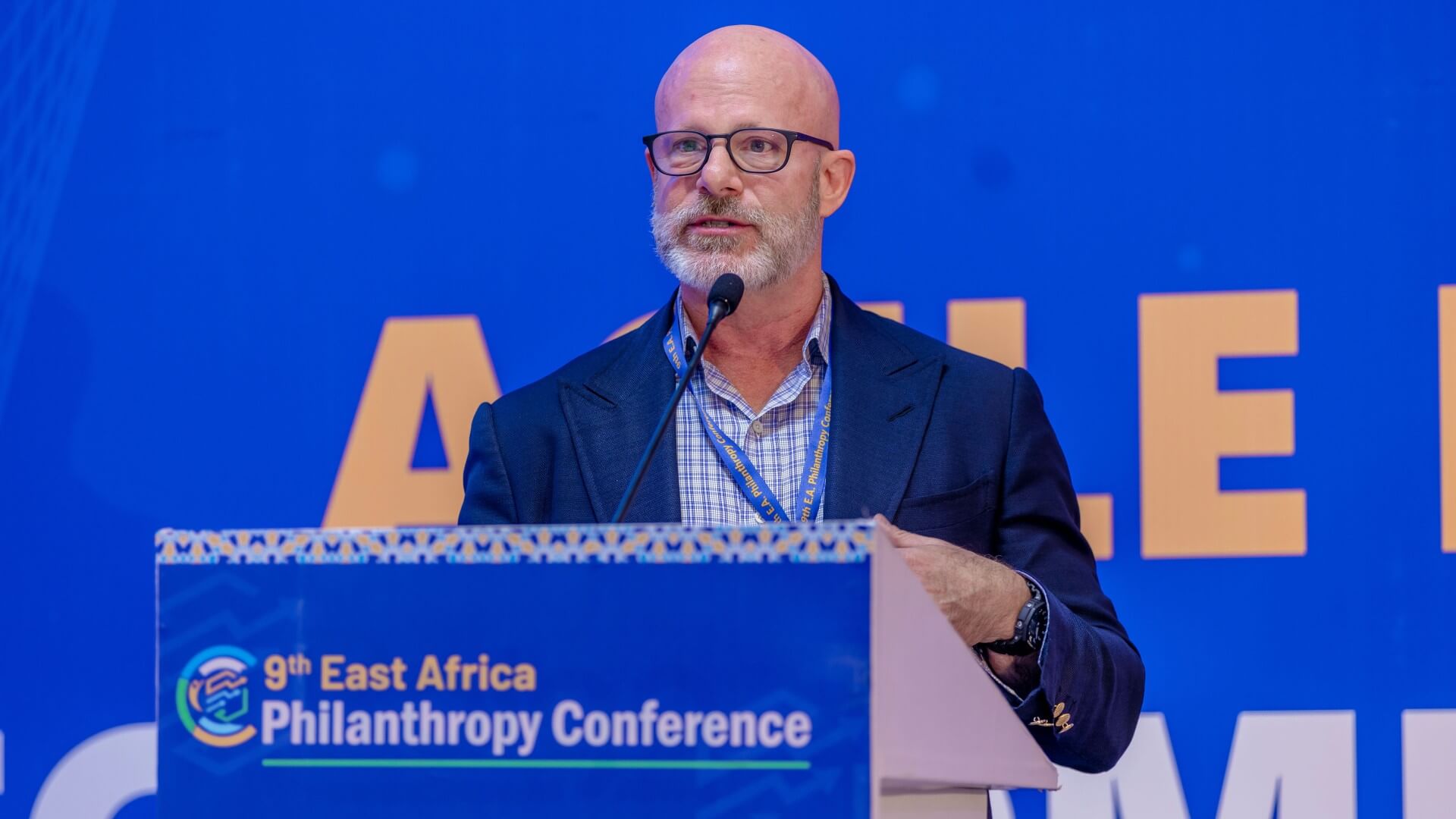
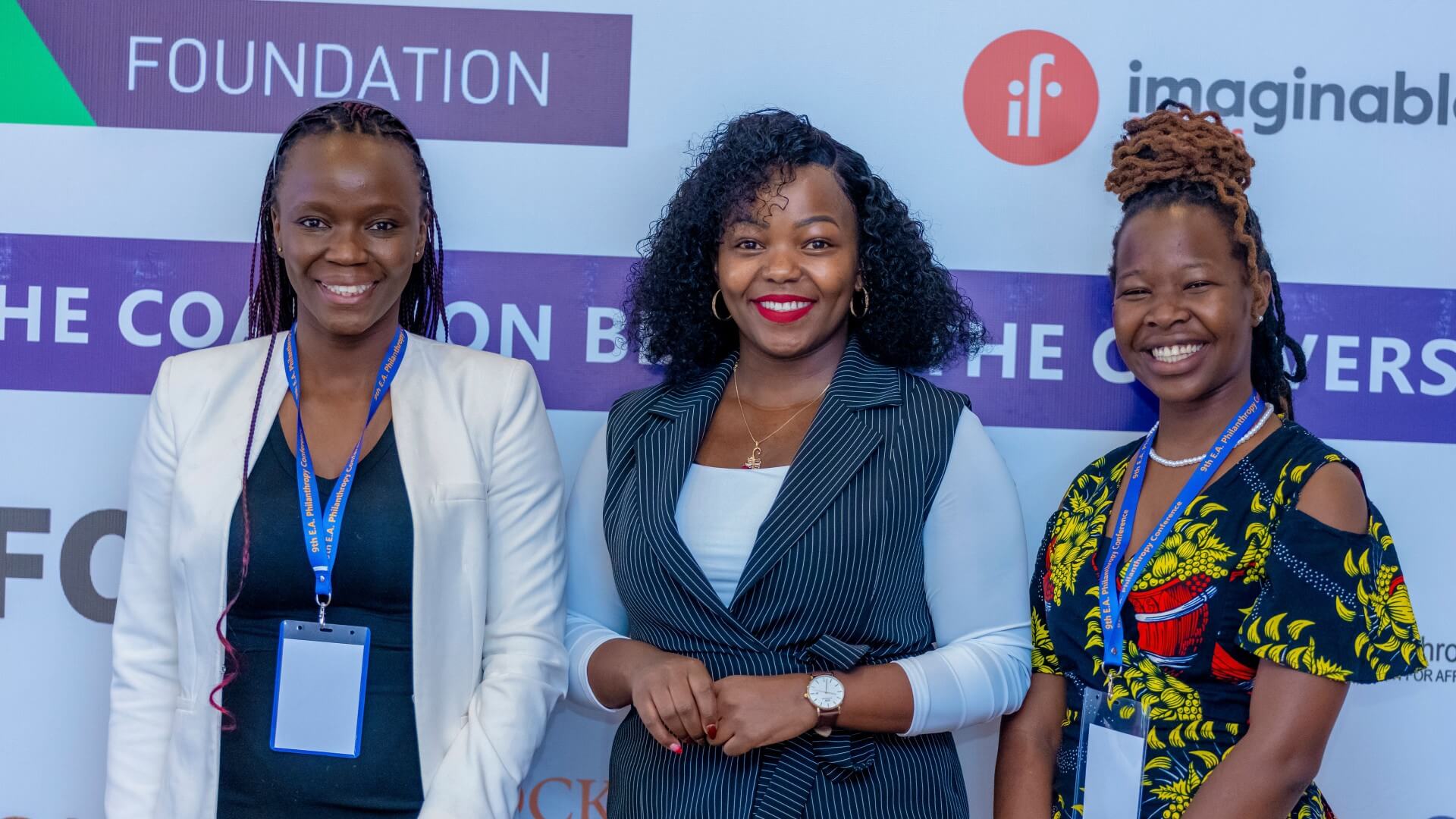
In response to these urgent realities, the East Africa Philanthropy Network convenes the 10th East Africa Philanthropy Conference, themed “Anchoring Systems in an Era of Transition.” Scheduled for June 16th – 20th, 2026, at Ethiopian Skylight Hotel, Addis Ababa, Ethiopia, this conference is an opportune space for critical dialogue, strategic collaboration, and bold action to shape the future of philanthropy in a rapidly evolving world.



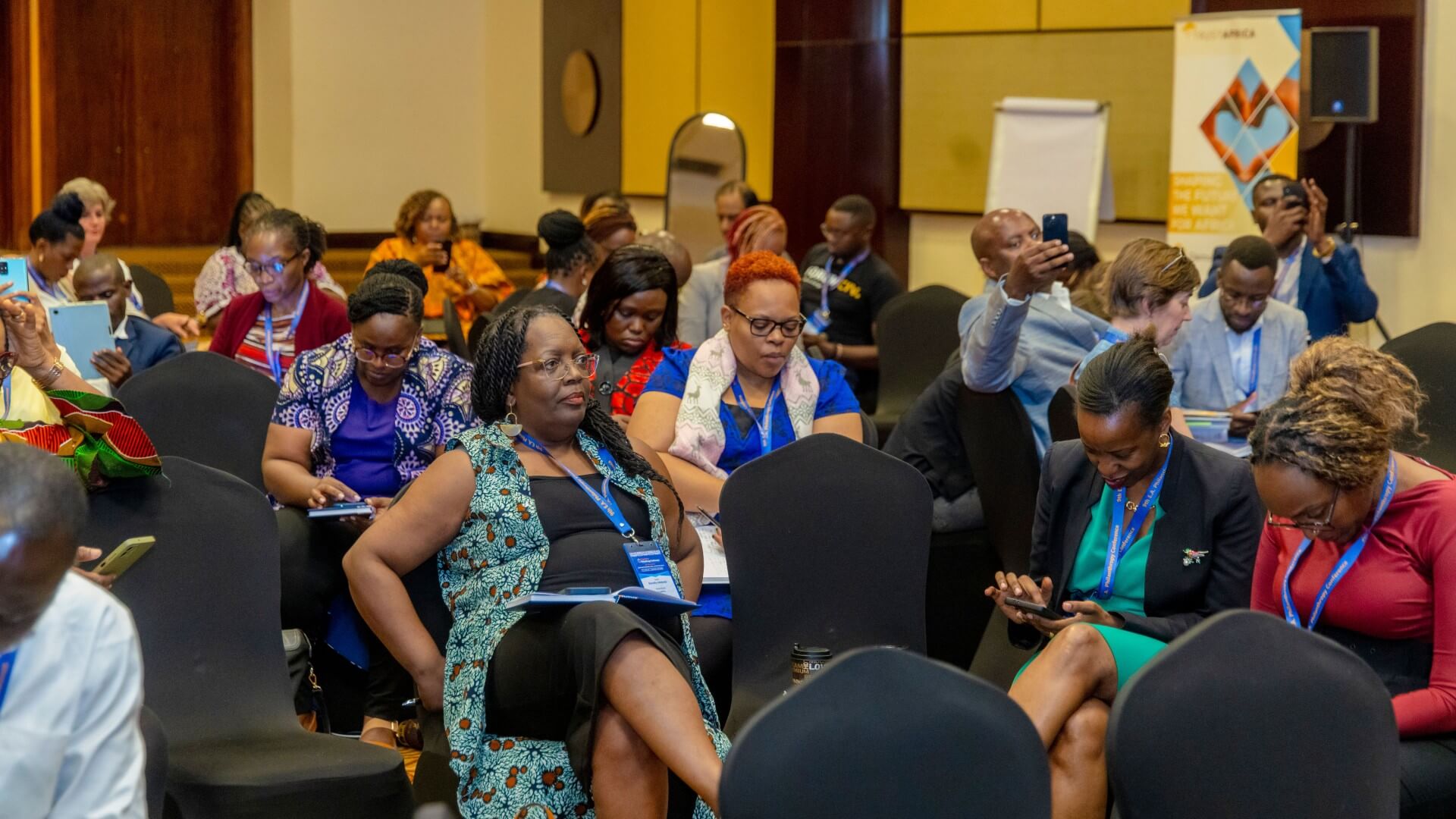


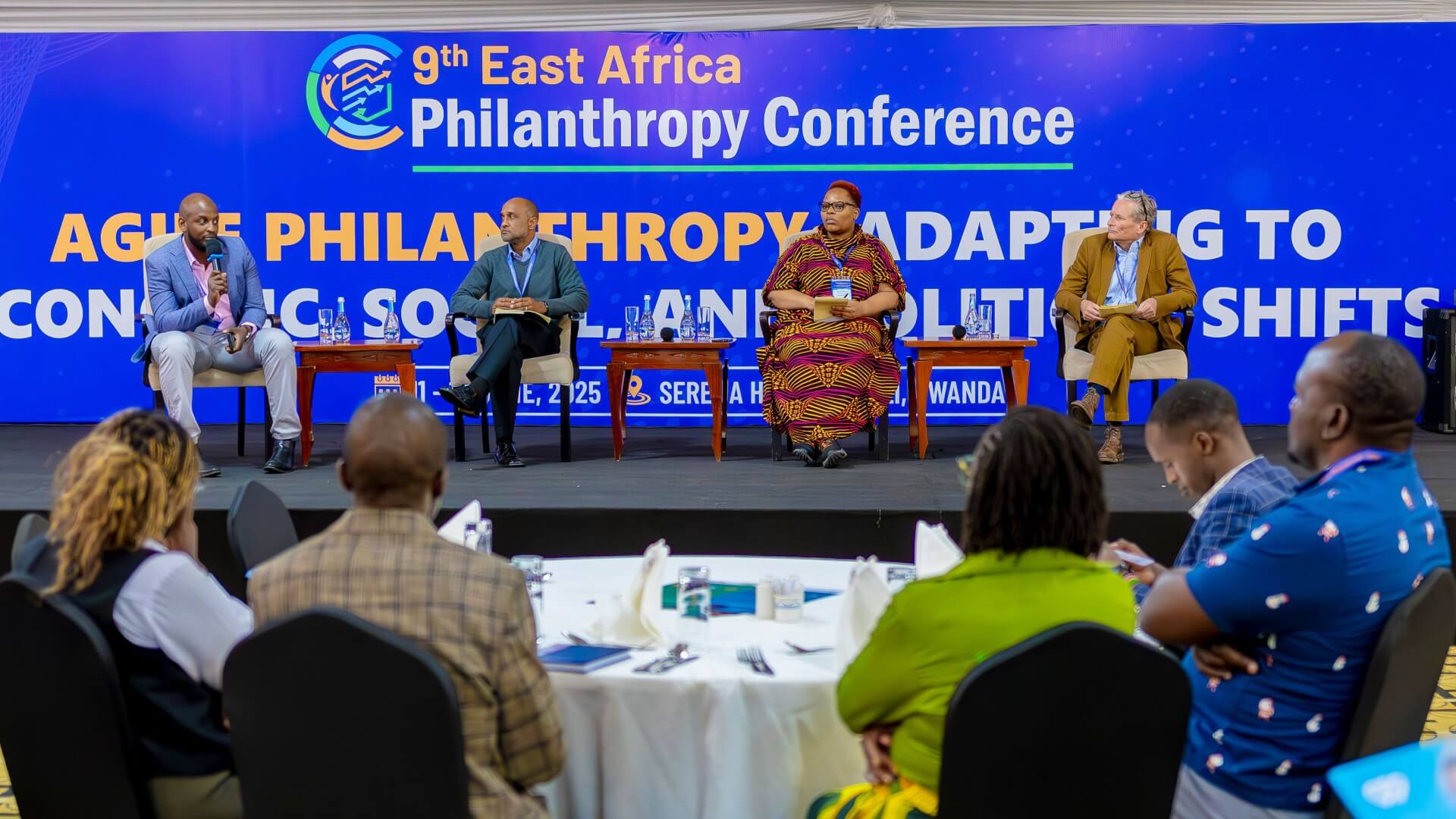
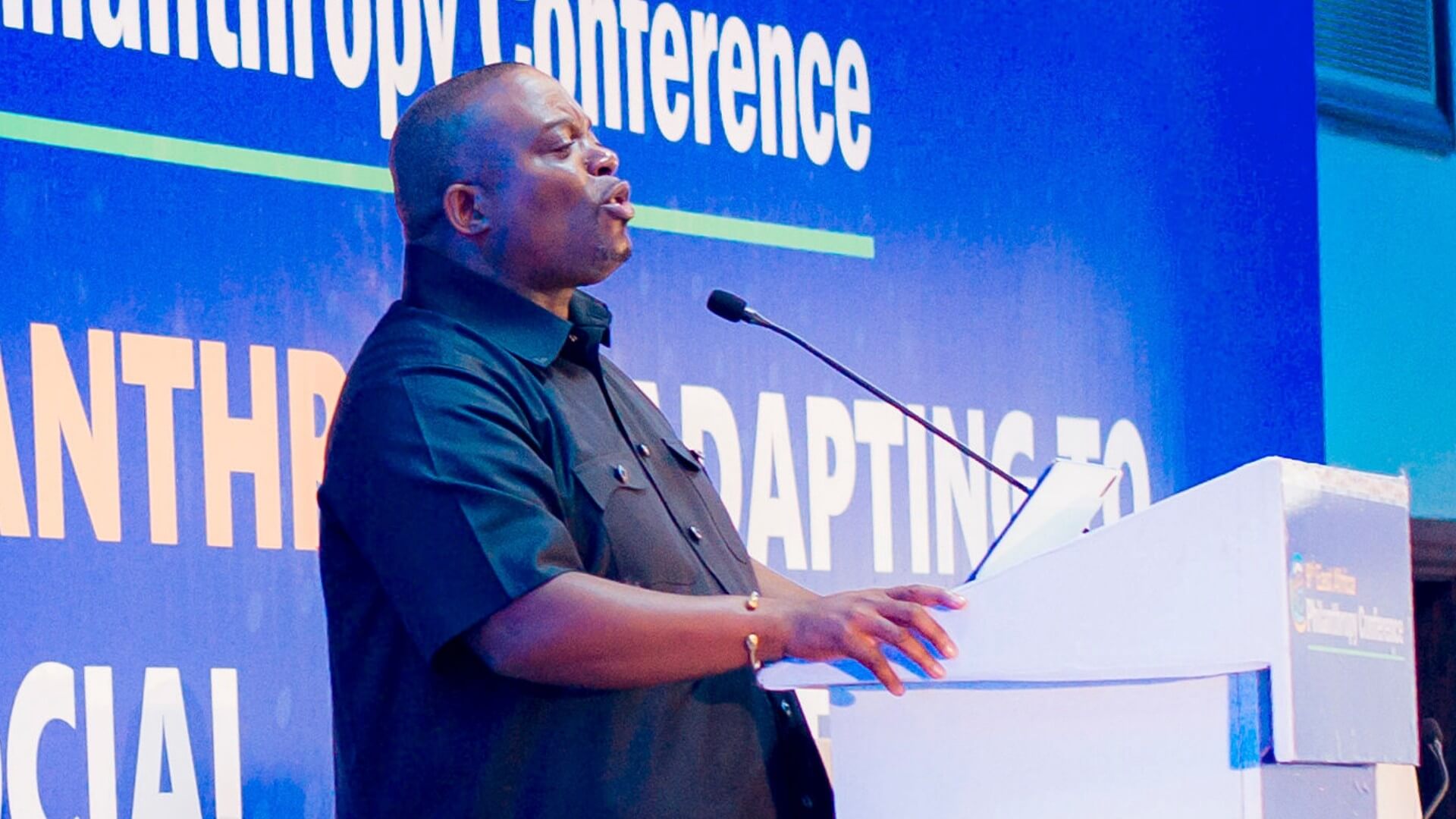
coming soon
With unrelenting economic contractions, shifting geopolitical priorities, tightening regulatory landscapes, and an evolving societal contract, philanthropy must adapt and lead. The stakes are too high for incremental change. The following objectives define the core imperatives that this convening must achieve:
1. REIMAGINING PHILANTHROPY’S FINANCIAL ARCHITECTURE IN AN ERA OF ECONOMIC VOLATILITY
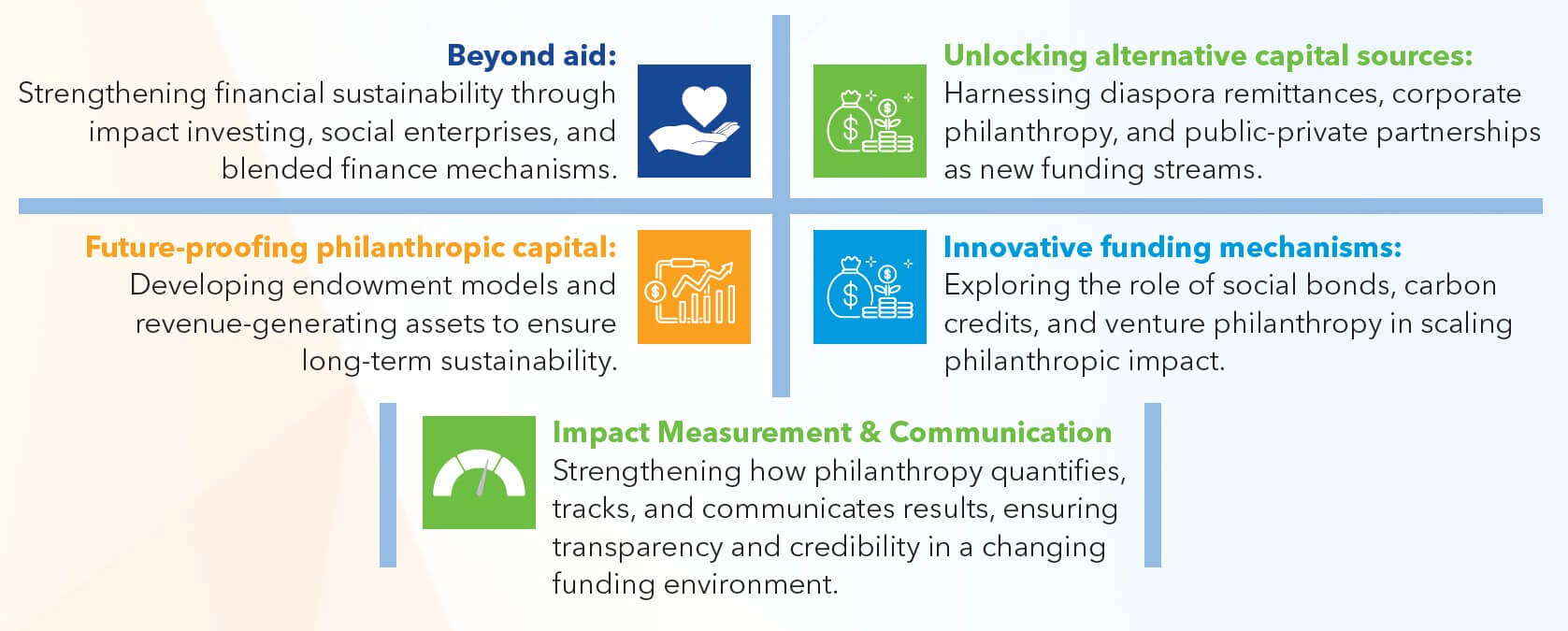
The economic landscape is rapidly evolving, forcing philanthropy to confront a shrinking pool of traditional donors, rising inflation, and increasing financial uncertainty. The sector must move beyond donor-dependent models toward self-sustaining, resilient financing strategies. This theme will explore how philanthropy can evolve from a fragile, grant-based system to a dynamic, investment-driven force for sustainable impact.
Key Focus Areas:
2. STRENGTHENING MULTI-SECTORAL COLLABORATION: LEVERAGING PARTNERSHIPS TO MAXIMIZE PHILANTHROPIC EFFECTIVENESS
The challenges facing philanthropy today cannot be tackled in isolation. To maximize impact, the sector must build stronger partnerships with governments, businesses, academia, and civil society. This thematic area will explore how philanthropy can integrate into broader development ecosystems to drive systemic change.
Key Focus Areas:
- Philanthropy’s integration into national development plans: Aligning funding priorities with government policy frameworks to ensure mutual reinforcement.
- Business and philanthropy partnerships: Leveraging corporate social responsibility (CSR), impact investment, and shared value models for sustainable funding.
- Academia’s role in philanthropic effectiveness: Using research, data analytics, and evidence-based strategies to enhance impact.
- Regional and global philanthropy networks: Strengthening South-South collaborations to reduce reliance on external donors.
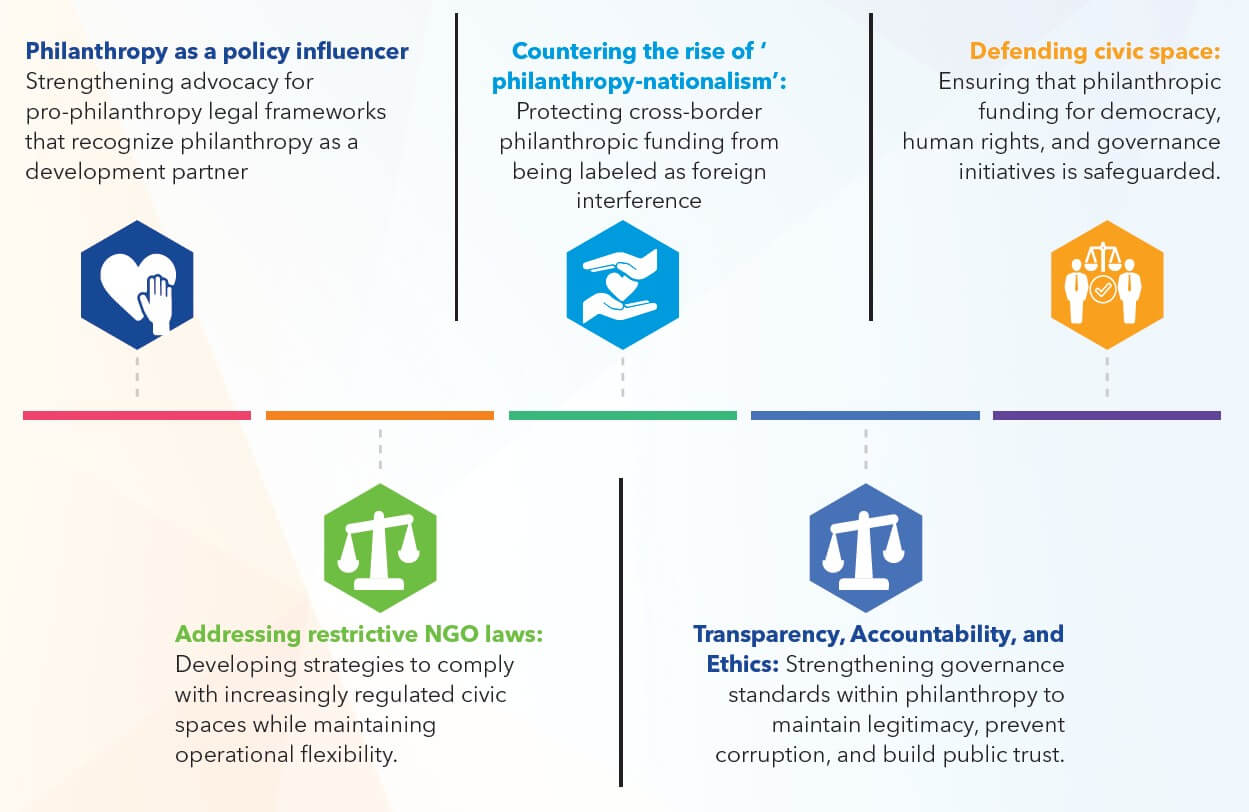
3. NAVIGATING POLITICAL AND REGULATORY SHIFTS TO SECURE PHILANTHROPY’S LEGITIMACY AND AUTONOMY
The political environment for philanthropy is becoming increasingly hostile, with governments imposing tighter restrictions on foreign funding, limiting NGO operations, and exerting greater control over social investment. As state-controlled development agendas rise, philanthropy must proactively shape the regulatory landscape rather
than merely react to it.
Key Focus Areas:
4. FROM CHARITY TO POWER-SHARING: SHIFTING PHILANTHROPY TO LOCALLY-LED, JUSTICE-DRIVEN MODELS
Philanthropy is undergoing a power shift, moving away from hierarchical, donor-driven models toward community led, participatory, and trust-based funding approaches. This thematic area will explore how philanthropy can decolonize its structures, empower grassroots decision-makers, and embrace funding models prioritizing long-term
equity over short-term aid.
Key Focus Areas:
- Decolonizing philanthropy: Moving beyond Western-centric funding priorities to models that center African voices, leadership, and priorities.
- Trust-based philanthropy: Removing bureaucratic barriers to funding by shifting power to local organizations, community-based funds, and Indigenous giving models.
- Bridging economic and gender gaps: Ensuring that philanthropy intentionally addresses youth unemployment, gender disparities, and economic inequalities.
- Reframing the aid narrative: from a dependency-based funding model to one that enables local self-determination.
- Inclusive & Equitable Philanthropy: Ensuring diverse representation in funding decisions, prioritizing marginalized communities, and making philanthropy more participatory.
5. REDEFINING PHILANTHROPY’S ROLE IN AN ERA OF SOCIAL MOVEMENTS AND GLOBAL POLARIZATION
Social movements advocating for racial equity, gender justice, Indigenous rights, and environmental action force philanthropy to reassess its role. At the same time, philanthropy is increasingly being politicized, facing backlash from governments, conservative actors, and misinformation campaigns. This thematic area will explore how philanthropy can fund progressive social causes without falling victim to political interference.
Key Focus Areas:
- Philanthropy’s engagement with social movements: Supporting systemic change, long-term advocacy, and movement-building rather than short-term project-based funding.
- Resisting political capture: Ensuring philanthropy remains independent amid political polarization and misinformation.
- Balancing neutrality and activism: Navigating the tensions between remaining politically neutral and advocating for human rights and social justice.
- Defending philanthropic legitimacy: Strengthening accountability, transparency, and trust to counter public skepticism about philanthropic influence.
6. THE DIGITAL TRANSFORMATION OF PHILANTHROPY: LEVERAGING TECHNOLOGY, AI, AND DATA FOR IMPACT
The digital revolution is reshaping philanthropy, introducing AI-driven impact assessments, blockchain-enabled financial transparency, and algorithmic funding allocation. However, these advancements come with risks, including
algorithmic bias, digital exclusion, and ethical concerns over data governance. This thematic area will examine how philanthropy can integrate technology while ensuring equitable access and ethical oversight.
Key Focus Areas:
- AI-driven philanthropy: Exploring how artificial intelligence can enhance impact measurement, predict funding needs, and optimize grant allocations.
- Blockchain for funding transparency: Investigating how decentralized ledger technologies can eliminate corruption and increase financial accountability.
- Crowdfunding and fintech-enabled giving: Assessing the role of mobile money, cryptocurrency, and digital platforms in democratizing philanthropy.
- Ensuring tech inclusion: Closing the digital divide in marginalizing grassroots organizations that lack access to high-tech infrastructure.